




Walk into any baby store (or scroll any registry site) and it can feel like you need one of everything. You don't. Most of the gear marketed to new parents is optional, and a few popular items are actually unsafe. If you're searching for the real baby items must-haves for first-time moms, the good news is that the list is shorter, and cheaper, than you might think.
This checklist focuses on what your baby truly needs in the first three months, what's nice to have, and what pediatric and safety experts say to skip. It works just as well for partners and anyone building a registry.
The short answer: For the first few months, a newborn really needs a safe place to sleep, a rear-facing car seat, a way to feed them, diapering supplies, a handful of simple clothes and a few basic care items like a digital thermometer. Almost everything else can wait until you know what your family actually uses.
The 10 baby items must-haves for first-time moms
If you only buy ten things before your baby arrives, make it these:
- A rear-facing car seat, installed before your due date.
- A safe sleep space: a crib, bassinet or play yard with a firm, flat mattress and a fitted sheet.
- Two or three wearable blankets or sleep sacks (and swaddles, if you plan to swaddle).
- Diapers and wipes, in newborn and size 1.
- Feeding basics for the way you plan to feed (more on that below).
- Simple clothes: a week's worth of zip-up sleepers and bodysuits.
- Burp cloths, and lots of them.
- A digital thermometer.
- Bath basics: soft washcloths, a towel and mild baby soap.
- A diaper bag (any roomy bag with pockets works).
Things to buy before birth: the non-negotiables
A car seat (you'll need it to leave the hospital)
A car seat is the one item you truly can't skip. The AAP's guide to your newborn's first week notes that hospitals will check that you have a rear-facing car safety seat installed in the back of your vehicle, so this isn't optional.
The National Highway Traffic Safety Administration (NHTSA) says children under 1 should always ride rear-facing. You can choose an infant-only seat or a convertible or all-in-one seat used rear-facing; NHTSA's car seat guide explains the types and lets you compare seats. A few practical tips:
- Install it a few weeks early. According to NHTSA's car seat installation tips, the seat shouldn't move more than 1 inch side to side or front to back at the belt path, and rear-facing seats need the correct recline angle.
- Get it checked. Many local fire and police stations offer free car seat inspections with trained technicians.
- Register it with the manufacturer so you hear about recalls.
- Skip the puffy snowsuit in the car. The AAP recommends thin, snug layers under the harness, with coats and blankets placed over the straps.
A safe place to sleep
Newborns sleep a lot, so their sleep space matters more than any other piece of furniture. The CDC, which supports the AAP's recommendations, says to help babies sleep safely by placing them on their back on a firm, flat (not inclined) surface, like a mattress in a safety-approved crib covered by a fitted sheet, ideally in your room until they're at least 6 months old.
A crib, bassinet or portable play yard all work, as long as the product is made for sleep and meets federal safety standards. The Consumer Product Safety Commission's "Bare is Best" safe sleep guidance is simple to remember: nothing but a fitted sheet. That means no pillows, blankets or bumpers.
To keep your baby warm, the AAP's article on swaddling safely says wearable blankets or sleep sacks are preferred over loose blankets. If you swaddle, stop as soon as your baby shows signs of trying to roll over. For what those early weeks of sleep usually look like, see our baby sleep schedule by age.

Baby essentials for the first 3 months
Feeding
What you need depends on how you plan to feed, and plans often change once the baby arrives. Rather than stocking up, start small:
- Breastfeeding: a few nursing bras, breast pads and nipple cream. A pump is helpful if you'll be away from your baby or want someone else to do some feedings.
- Formula or bottle feeding: a few bottles in one or two styles, a bottle brush and the formula your pediatrician recommends.
- Either way: plenty of burp cloths and a comfortable spot for night feeds.
Most newborns eat every 2 to 3 hours, according to the AAP, so expect a lot of feeds.
Diapering
Diapers go fast. The AAP notes that within 3 to 5 days of birth, both breastfed and bottle-fed babies wet about 8 diapers every 24 hours. You'll want:
- Diapers in newborn size and size 1 (don't overbuy newborn; some babies outgrow it within weeks)
- Unscented wipes, or soft cloths and warm water
- A diaper cream or ointment
- A wipeable changing pad, which can go on a dresser top or the floor
- A lidded trash can or diaper pail
Clothes
Newborns grow quickly, so keep it simple. Plan on roughly a week's worth of:
- Zip-up sleepers (zippers are much easier than snaps at 3 a.m.)
- Bodysuits with envelope necklines
- Soft socks and a couple of hats
- A warm outer layer if your baby arrives in cold weather
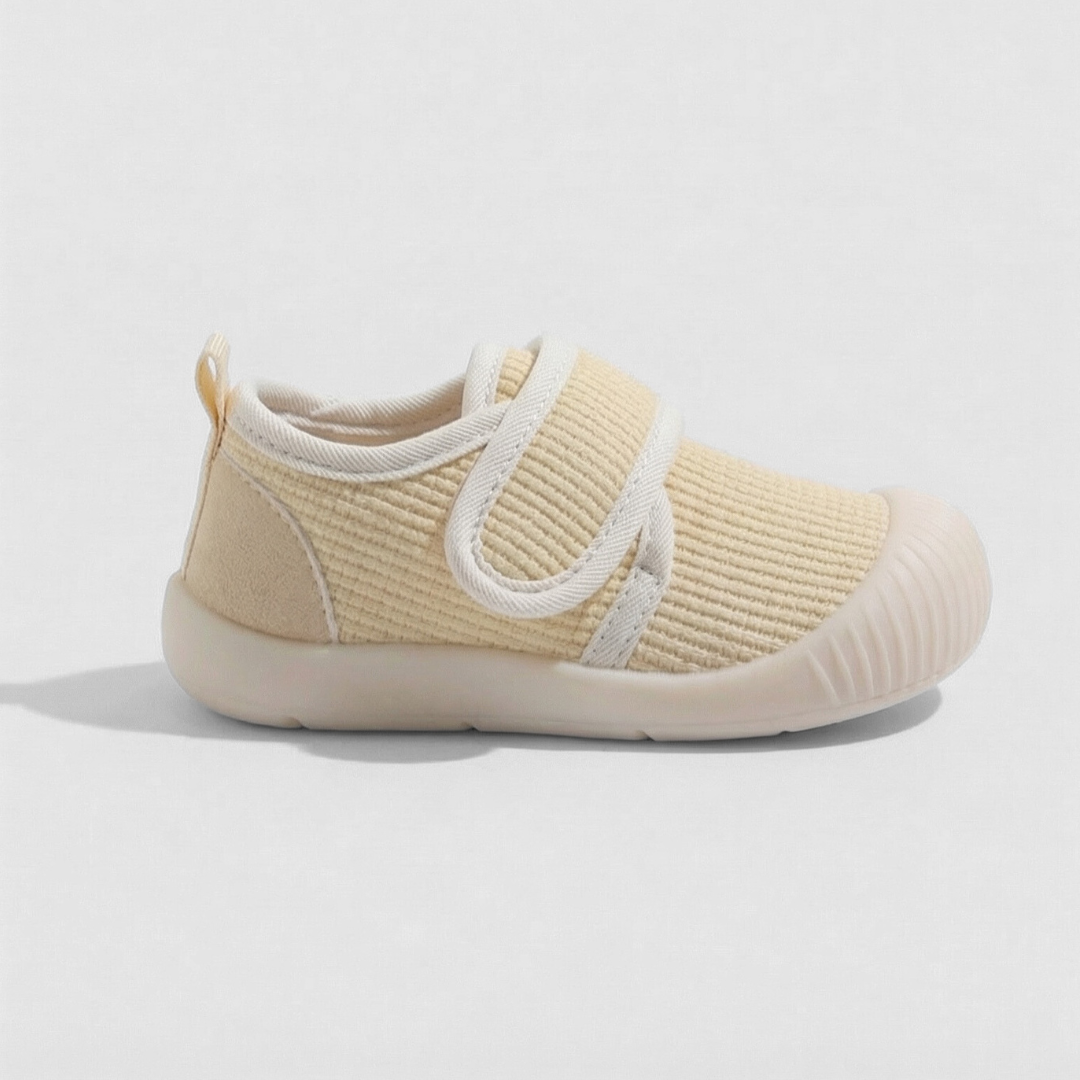
Newborns don't need shoes. Babies only need shoes once they're walking outside, usually many months from now.
Health and care basics
- A digital thermometer. The AAP's guide to taking your child's temperature recommends a digital thermometer (never mercury) and says rectal readings are the most accurate for young babies. Ask your pediatrician which reading should prompt a call.
- Baby nail clippers or an emery board for tiny, sharp nails.
- A nasal bulb or aspirator for stuffy noses.
- Your pediatrician's phone number, saved in your phone. Your baby's first checkup usually happens within the first week.

Bath time
You need less than you think. The AAP's guide to bathing your baby says to give only sponge baths until the umbilical cord stump falls off, and that about three baths a week may be enough in the first year. Start with soft washcloths, a towel and a mild baby soap. Once you're ready for tub baths, the CPSC recommends a hard plastic infant tub with a sloped, textured surface or sling that keeps your baby from sliding.
Getting out of the house
- A stroller that fits your lifestyle. Many parents like one that the infant car seat clicks into.
- A baby carrier or wrap (optional, but many parents love one). Always keep your baby's face visible and above the fabric, and follow the carrier's age and weight limits.
- A diaper bag stocked with diapers, wipes, a changing pad, burp cloths and a spare outfit. Our flying with baby packing list has a handy diaper bag checklist for longer outings, too.
Nice to have (but not essential)
These can make life easier, but you can wait and see whether you need them:
- A white noise machine
- A video or audio baby monitor
- A bouncer or swing for supervised awake time
- A play mat for tummy time
- A few board books and simple toys (singing and talking to your baby count as play, too; here are 7 songs to sing to your baby)
One important note: bouncers, swings and rockers are safe for awake time when used as directed, but the AAP says they're not for sleep. If your baby dozes off in one, move them to their crib or bassinet.
What to skip: baby items experts say you don't need
The AAP's list of baby registry items to avoid is worth reading before you finalize a registry or accept hand-me-downs. Items to leave off your list include:
- Crib bumpers and inclined sleepers. Both are banned in the U.S. under the Safe Sleep for Babies Act, but they can still turn up secondhand.
- Sleep positioners and wedges. They've been linked to infant deaths, and there's no evidence they prevent SIDS.
- Infant loungers and nursing pillows for sleep. Fine for supervised awake time, but never for naps or overnight.
- Weighted sleep sacks or blankets. Both the AAP and CPSC say not to use them.
- Bedding sets, quilts and pillows for the crib. They're decor, not sleep gear.
- Vintage or drop-side cribs. Older cribs don't meet current safety standards.
- Sitting baby walkers. They don't help babies walk and are linked to serious falls. If you're curious what does help, see our guide to things that help babies walk.
As the AAP puts it, be wary when influencers call a product a "must-have" for every family. Trendy doesn't always mean safe.
Don't forget a few things for you
A first-time mom checklist isn't complete without some care for the person doing the caring. Stock up on comfortable clothes, easy snacks, a big water bottle and whatever postpartum supplies your doctor or midwife recommends. Line up help, too: meals from friends, a partner on night shifts, or someone to hold the baby while you shower.
The early weeks can feel overwhelming, and that's common. If you're struggling, the free, confidential National Maternal Mental Health Hotline is available 24/7 by call or text at 1-833-TLC-MAMA, and partners and family members can use it too.
Frequently asked questions
What are the most important things to buy before the baby is born?
A rear-facing car seat (installed and checked), a safe sleep space with a firm, flat mattress and fitted sheet, diapers and wipes, a few outfits and your feeding basics. Everything else can be picked up after your baby arrives.
How many newborn clothes do I need?
About a week's worth of sleepers and bodysuits is plenty for most families, especially if you do laundry often. Babies outgrow newborn sizes quickly, so it's smart to buy more in the 0-3 month size.
Is it okay to use secondhand baby gear?
Many hand-me-downs are perfectly fine, like clothes, books and toys. Be more careful with cribs, car seats and sleep products. Check for recalls, make sure nothing is missing or broken, and skip anything banned, such as crib bumpers or inclined sleepers. With a used car seat, make sure you know its full history and that it hasn't been recalled; a car seat inspection station can help you check.
This article is for general informational purposes only and isn't a substitute for professional medical advice. Every baby and family is different. If you have questions about your baby's health, sleep or safety, please talk with your pediatrician.
Sources
- American Academy of Pediatrics, HealthyChildren.org, Your Newborn's First Week: How to Prepare & What to Expect, Baby Products to Avoid, Swaddling: Is it Safe for Your Baby?, How to Take Your Child's Temperature and Bathing Your Baby
- National Highway Traffic Safety Administration (NHTSA), Car Seats and Booster Seats and Car Seat Installation Tips
- Centers for Disease Control and Prevention (CDC), Providing Care for Babies to Sleep Safely
- U.S. Consumer Product Safety Commission (CPSC), Safe Sleep: Cribs and Infant Products
- Health Resources and Services Administration (HRSA), National Maternal Mental Health Hotline





Share and get 15% off!
Simply share this product on one of the following social networks and you will unlock 15% off!