




Your first flight with a baby can feel like a big deal. There's the gear, the security line, the worry about ear pain, and the fear of being "that family" when your little one cries at 30,000 feet. The good news is that a bit of planning goes a long way, and most of the flight is far more manageable than the run-up makes it seem.
This guide gathers the most useful flying with baby tips from the American Academy of Pediatrics (AAP), the FAA, TSA and the CDC: when your baby is old enough to fly, whether to book a seat, how to get through security with formula or breast milk, how to ease ear pressure, and a simple packing list for babies and toddlers up to age 3.
The short answer: If you can, wait until your baby is 2 to 3 months old to fly. Book your child their own seat and use an FAA-approved car seat, choose a window seat and a flight that lines up with sleep, tell TSA about formula or breast milk at the start of screening, and feed your baby or offer a pacifier during takeoff and landing. Pack more diapers, food and spare clothes than you think you'll need, and give yourself extra time at every step.
When is a baby old enough to fly?
The AAP's guide to flying with baby says it's generally safe to fly once a newborn is at least 7 days old, but ideally you'll wait until your baby is 2 to 3 months old. Crowded airports and planes can raise a young baby's risk of catching colds, flu and other illnesses, so delaying a few weeks when you can gives them extra protection.
If you're flying internationally, the CDC's advice on traveling with children is to see your child's doctor or a travel medicine specialist at least a month before you leave. Some vaccines have different timing for travel; for example, the CDC says infants 6 to 11 months old should get one dose of the MMR vaccine before international travel.
Flying with baby tips for booking your trip
1. Buy your baby a seat if you can
Children under 2 can fly as "lap babies," but both the FAA and the AAP recommend against it. The FAA's child safety in flight page says the safest place for a child under 2 is in an approved child restraint system, not in your lap, because your arms can't hold a child securely during unexpected turbulence. The AAP adds that turbulence is the leading cause of children's injuries on airplanes. Buying a ticket is the only way to guarantee you can use a car seat on board.
If you don't buy a seat, the AAP suggests asking the airline whether you can use an empty seat and choosing days and times when flights are less full.
2. Check that your car seat is approved for planes
Not every car seat can be used in the air. According to the FAA's guide to child restraint systems, the seat must carry a label saying "This restraint is certified for use in motor vehicles and aircraft." Install it rear- or forward-facing as the label directs for your child's size, just like in the car. The FAA doesn't allow baby carriers, booster seats or backless seats during taxi, takeoff or landing.
For older toddlers, the FAA-approved CARES harness is an option for children who weigh 22 to 44 pounds, are up to 40 inches tall and can sit upright on their own in their own seat. It's only for planes, not cars.
3. Pick the right seat and time
- Choose a window seat. The AAP notes that aisle seats put little arms and legs near carts, hot drinks and falling items from overhead bins. A rear-facing car seat belongs by the window so it doesn't block anyone's exit.
- Skip the exit row. Exit-row passengers are expected to help in an emergency. Bulkhead rows can give you more room instead.
- Sit together. The U.S. Department of Transportation's airline family seating dashboard shows which airlines guarantee a child 13 or under a seat next to an accompanying adult at no extra cost.
- Fly around sleep. A sleeping baby makes the flight easier for everyone. Our baby sleep schedule by age can help you match a flight to your child's usual naps or bedtime.
4. Check ID and airline rules
The AAP says babies don't need ID at TSA checkpoints on U.S. flights when traveling with an adult, but your airline may ask for proof of age, like a birth certificate, for a lap infant. For international flights, your baby needs their own passport. Before you book, ask the airline about bassinets, gate-checking strollers and car seats, and any baby gear fees. Driving instead? Our road trip with toddler packing list covers long car trips.
Getting through airport security with a baby
TSA's page on traveling with children says formula, breast milk, toddler drinks and baby food (including puree pouches) are allowed in carry-ons in amounts over 3.4 ounces, and they don't need to fit in your quart-size bag. A few tips make screening smoother:
- Tell the TSA officer at the start of screening that you're carrying these items, and take them out of your bag to be screened separately.
- Use clear bottles when you can. Liquids in pouches or bags may need extra screening.
- If you don't want your baby's milk or food X-rayed or opened, tell the officer; you'll go through other screening steps instead.
- Expect to take your baby out of the stroller or car seat and carry them through the metal detector. Strollers, carriers and car seats all go through the X-ray or get inspected by hand.
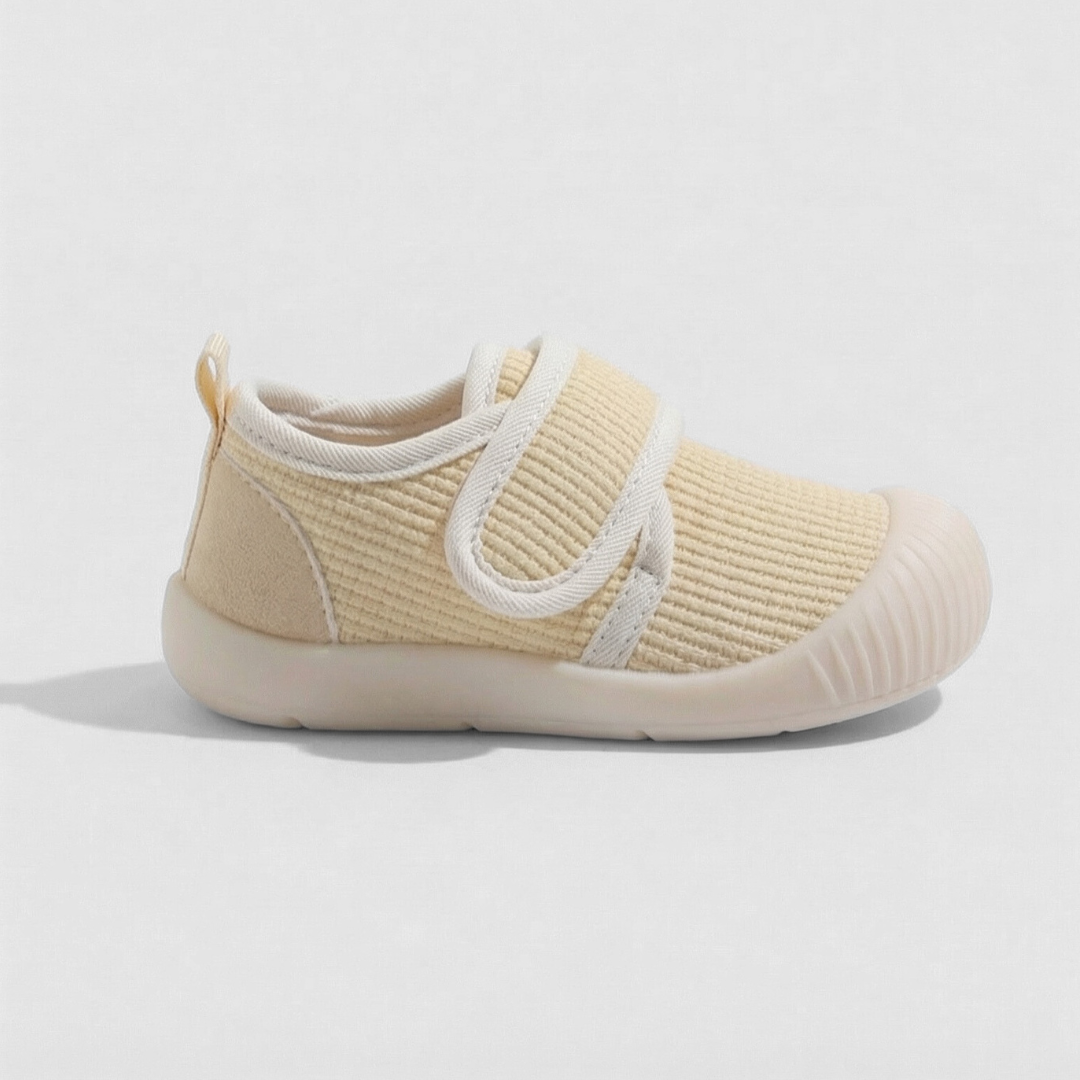
- Children 12 and under can keep their shoes on, which is one less thing to juggle with a toddler. Soft, flexible shoes that slip on and off easily (like our first walker shoes) are handy for the long walk to the gate.
If you're breastfeeding or pumping, the CDC's travel recommendations for nursing mothers note that U.S. airports must provide a private, non-bathroom space for expressing milk in each terminal, and that X-rayed milk is safe to feed your baby. Expressed milk can travel in an insulated cooler bag with frozen ice packs for up to 24 hours.

How to help your baby's ears during takeoff and landing
Air pressure changes during takeoff and landing can make little ears uncomfortable. MedlinePlus explains in its guide to traveling with children that the pain and pressure almost always go away within a few minutes, but they may be worse if your child has a cold or ear infection. To help:
- Feed or offer a pacifier. Sucking and swallowing help. The CDC recommends nursing your baby during takeoff and landing, and the AAP says a bottle or pacifier works too.
- Keep them awake for the descent if you can. MedlinePlus notes that children swallow more often when awake, and waking up with ear pain can be frightening.
- Offer fluids during the flight. Plane air tends to be dry.
- Check with your pediatrician first if your child is sick. The AAP suggests asking your child's doctor whether it's OK to fly if your baby had ear surgery or an ear infection in the 2 weeks before the trip.
The AAP also warns against giving your baby diphenhydramine (Benadryl) to make them sleepy on the plane without talking to your doctor first. It can have serious side effects, and some children become more alert, not less.
How to keep a baby calm on a plane
- Change their diaper right before boarding. Plane restrooms are tight, and not all have changing tables.
- Dress in layers. Cabin temperatures vary, especially while you wait on the runway.
- Bring a few new and favorite toys. Hand them out one at a time. The AAP says a tablet with videos is a fine backup during air travel, even though it doesn't usually encourage screens before age 2.
- Sing softly or walk the aisle when the seatbelt sign is off. A familiar song from home, like one from our list of songs to sing to your baby, can be calming.
- Protect their hearing. The AAP notes that cabin noise peaks during takeoff, and soft earplugs or noise-canceling headphones can help.
- Follow safe sleep rules. If your baby sleeps on your lap, stay awake and keep their face uncovered. In an airline bassinet, keep the surface firm and flat with no blankets or pillows.
- Go easy on yourself. Babies cry, and many passengers have been there. Staying calm helps your baby settle, too.
Toddlers who have just started walking may want to practice in the aisle the whole time. If yours is new on their feet, our guide to when babies start walking explains what's typical at this stage.
Flying with a baby packing list
Pack your diaper bag for the whole travel day, plus a delay. Still putting your diaper bag together? Our list of baby items must-haves for first-time moms covers the everyday basics. MedlinePlus suggests bringing snacks and familiar foods in case meals are delayed, and the AAP recommends a change of clothes (or two) for your baby.
- Plenty of diapers (enough for delays), wipes and a portable changing pad
- Plastic bags for dirty diapers and clothes
- Formula, breast milk or pumping supplies, bottles and a cooler bag with ice packs
- Snacks and pouches for older babies and toddlers
- Pacifier, plus a spare
- Two changes of clothes for your baby and a spare shirt for you
- Light blanket or swaddle, socks and a warm layer
- Small toys, board books and a tablet with downloaded shows as a backup
- Baby carrier or sling for the airport
- Any medicines your child takes, plus your pediatrician's phone number
- Birth certificate or passport as your airline requires

Frequently asked questions
What is the best age to fly with a baby?
There's no single best age, but the AAP suggests waiting until your baby is 2 to 3 months old if you can, since crowded airports and planes raise a newborn's risk of catching an illness. It's generally considered safe to fly once a baby is at least 7 days old.
Can a baby fly on my lap?
Yes, children under 2 are allowed to fly on an adult's lap, but the FAA strongly discourages it. A ticketed seat with an FAA-approved car seat is the safest option for the whole flight.
How do I keep my baby from crying on a plane?
You can't always prevent it, but feeding during takeoff and landing, flying around sleep times, fresh diapers and a bag of new toys all help. If your baby cries anyway, that's normal. Stay calm, comfort them and remember the flight will end.
Do I need to bring my car seat on the plane?
If your child has their own seat, bringing an FAA-approved car seat is the safest choice, and you'll need one at your destination anyway. If you aren't using it on board, the AAP says you can usually check it at the gate at no extra cost; check your airline's policy first.
This article is for general informational purposes only and isn't a substitute for professional medical advice. Every baby is different. If you have questions or concerns about your child's health or whether they're ready to fly, please talk with your pediatrician.
Sources
- American Academy of Pediatrics, HealthyChildren.org, Flying With Baby: Parent FAQs & Tips for Safer, Easier Air Travel
- Federal Aviation Administration (FAA), Child Safety in Flight, About Child Restraint Systems and FAA-Approved CARES Device
- Transportation Security Administration (TSA), Traveling with Children
- U.S. Department of Transportation, Airline Family Seating Dashboard
- Centers for Disease Control and Prevention (CDC), Travel Recommendations for Nursing Mothers and Traveling with Children
- MedlinePlus (U.S. National Library of Medicine), Traveling with Children





Share and get 15% off!
Simply share this product on one of the following social networks and you will unlock 15% off!